

Bold personalities, toddler development stages, & savings for when your little one suddenly has opinions about everything.


The toddler years can feel like living with a tiny person who wants independence but still needs you for almost everything. One minute they are asking for a snack. Next, they are crying because the snack broke. Then they are laughing, running, hugging your leg, asking “why,” and trying to carry something far too heavy across the room.
If this stage feels loud, emotional, funny, and exhausting all at once, that is normal. Your child is not trying to make life difficult. They are learning how the world works, how their body moves, how words connect to feelings, and how much power they have over their own choices. This is where early childhood and development becomes very real in everyday life.
The goal is not to control every moment. The goal is to guide your toddler with patience, structure, and enough flexibility to survive the broken-cracker meltdowns.
Toddlers are growing fast on the inside, even when their behaviour looks messy on the outside. Their brain is learning language, memory, problem-solving, social connection, independence, and emotional regulation all at once. That is a lot for a little person.
Understanding your toddler developmental milestones can help you see behaviour differently. A tantrum may not be “bad behaviour.” It may be frustration without enough words. Refusing help may not be defiance. It may be the beginning of independence. Repeating the same game twenty times may not be random. It may be how your toddler learns.
The Independence Spark:
Toddlers want control because they are discovering that they are separate people with their own ideas. This can show up as “no,” running away during diaper changes, refusing food, choosing strange outfits, or suddenly needing to do everything themselves.
This is tiring, but it is also part of healthy growth. Offering small choices can help your toddler feel included without letting them run the whole house. You might ask if they want the blue cup or green cup, shoes first or jacket first, or whether they want to walk to the bathroom or be carried. Boundaries still matter, but choices inside clear limits can reduce daily power struggles.
The Language Explosion:
Some toddlers talk early. Some understand more than they say. Some use gestures, sounds, pointing, or a few favourite words before language grows. This does not always mean something is wrong. Language develops differently for every child.
You can support language by talking through your day in simple words. Say what you are doing, name what your toddler is feeling, read books, sing songs, and give them time to respond. When toddlers slowly gain more words, frustration can soften because they have more ways to tell you what they need.
Toddler Learning Activities
Parents often worry they are not doing enough. Enough teaching, enough reading, enough outdoor time, enough crafts, enough structure. But you do not need to turn your home into a preschool.
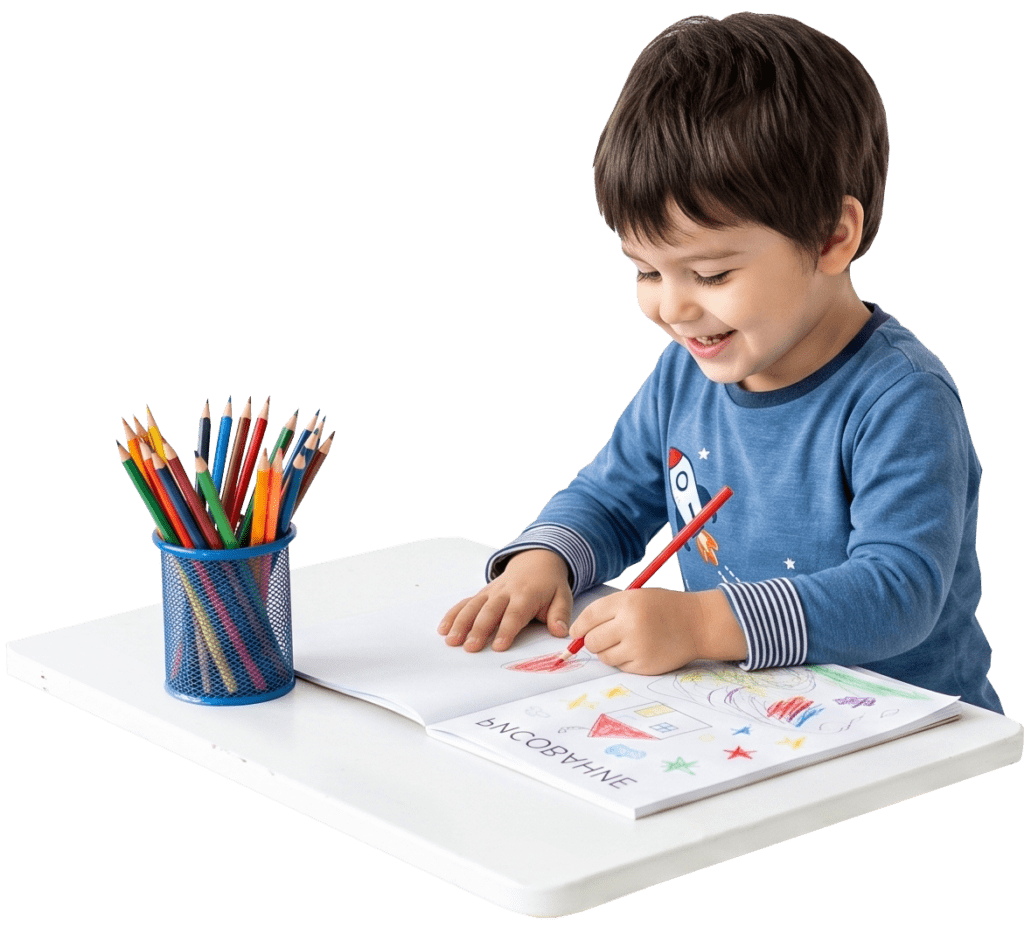
Simple toddler learning activities can fit into normal life. Count crackers at snack time, name colors while folding laundry or let your toddler pour water in the bath. Learning does not have to feel formal. For toddlers, play is learning.
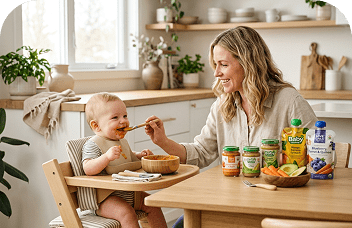
Toddler eating can be humbling. One week they love bananas. The next week bananas are apparently offensive. Some days they eat like they are growing overnight. Other days they survive on two bites of toast and air.
This is common. Toddlers are learning appetite, preferences, textures, independence, and control. Offer regular meals and snacks, keep portions small. A balanced day matters more than a perfect plate. That does not mean you are failing. It means you are feeding a toddler.
Transitioning Towards Independence
Toddlerhood brings big transitions. Sleep changes, food preferences, daycare routines, potty learning, boundaries, language, and emotional expression can all shift quickly.
This is why routine helps. Toddlers feel safer when they know what usually comes next. Morning routines, bedtime routines, meal routines, and clean-up routines can reduce stress because they give your child a simple map for the day. But routines should support family life, not punish everyone when the day goes sideways.
Sleep Regression & Training
Just when sleep starts feeling manageable, your toddler may suddenly resist bedtime. This may be toddler sleep regression. Sleep can shift because of growth, separation anxiety, teething, illness, travel, daycare changes, new fears, or dropping naps.
Sleep training does not have to mean ignoring your child or forcing a harsh routine. For many families, it simply means helping toddlers understand bedtime with consistency. Some toddlers need more support than others, so choose an approach that fits your child, your home, and your comfort level.
Potty Training
Potty training can feel like one of those milestones everyone has an opinion about. Start too early, wait too long, use rewards, avoid rewards, do this, do that. Take the pressure down.
A useful potty training tip is to watch for readiness before forcing the process. Your toddler may be ready if they stay dry longer, notice when they are wet or dirty, show interest in the bathroom, can follow simple directions, or wants to try underwear. Accidents are part of learning. Regression can happen. Your toddler is not failing. They are practising body awareness, timing, communication, and independence.

What Is Really Happening?
A toddler tantrum can feel huge, especially in public or when you are already tired. Crying, kicking, screaming, dropping to the floor, or refusing everything can make parents feel judged and helpless.
Tantrums are often a sign that your toddler has big feelings and not enough skills yet to manage them.
Setting Boundaries With Love
Toddlers need boundaries, even when they resist them. Clear limits help them feel safe because they are still learning what is okay, what is not okay, and what happens next.
Boundaries work best when they are simple and repeated. You can say things like, “Hands are not for hitting,” “Food stays at the table,” or “I will not let you climb there.” You can be kind and firm at the same time.
Emotional Care for Parents
The toddler years can stretch your patience in ways you did not expect. You may love your child deeply and still feel touched out. You may laugh at their little phrases and then feel completely drained by bedtime. You may feel proud of their independence and also miss the days when they stayed where you put them.
That is real parenting. You are not supposed to enjoy every second. You are allowed to need breaks, feel overstimulated, and admit that this stage is beautiful but a lot.
Your toddler is learning how to be a person, and you’re learning how to parent one with big opinions. Take it one snack, one nap, one boundary, and one cuddle at a time.

Practical basics for busy days, growing independence, and life on the go.
Toddlers are learning how to handle limits and share how they feel. Patience and calm guidance go a long way.
Toddlers feel big emotions before they have the words for them. Naming feelings helps.
Meltdowns are common at this age. Staying calm and close can help them settle.
Clear, simple limits help toddlers feel safe and know what to expect.
Listen, repeat their words back, and give them time to express themselves.
Let them try small tasks on their own, even when it takes a little longer.
Predictable responses and routines help new skills stick over time.
Hard days don’t mean you’re doing it wrong. Every family has them.
Every child develops differently. Speak with your healthcare provider or another qualified professional if you have concerns about your child’s development, behaviour, communication, eating, sleep, or overall health.
Simple, everyday ways to encourage curiosity, connection, and movement at your baby’s pace.
Short daily story time builds vocabulary and a love of books.
Dancing, clapping, and singing help burn energy and build coordination.
Parks, walks, and backyard play, in every Canadian season.
Predictable mornings and bedtimes make transitions feel easier.
Let toddlers practise with spoons, cups, and finger foods.
A few minutes of solo play builds focus and creativity.
Stacking, colouring, and puzzles strengthen little hands.
Playdates and group activities help them learn to share and take turns.
As your child grows, so do the plans, schedules, and costs. You don’t have to figure it all out alone. Here are a few areas where many families look for support.
Keep the day simple and build in extra time for transitions.
New rooms, siblings, or schedules take time to adjust to.
Explore options early and ask about waitlists in your area.
Practise routines like drop-offs, snacks, and tidy-up time.
Look for deals, samples, and giveaways for growing families.
Reach out to family, friends, or community resources when needed.
Enter for a chance to win family essentials, discover helpful products, and explore offers for Canadian families. It's free to join.
No purchase necessary. Open to eligible residents of Canada. See Terms & Conditions for full rules and eligibility.

Parenting can feel overwhelming when every answer sounds different. Discover baby freebies, trusted products, coupons, giveaways, and resources designed for families.
Explore articles on pregnancy, baby care, milestones, products, routines, and everyday family life, with practical tips for every stage.
Explore gentle articles on pregnancy, baby care, milestones, products, routines, and everyday family life to help you feel more reassured, prepared, and less alone through every stage.





A growing community of parents, caregivers, and families connected through helpful offers, resources, and giveaway opportunities.
Create your free account for week-by-week support, helpful resources, and parent-friendly guidance.