Infant: 3-12 Months
Helpful tips, baby essentials, and parent support for your baby’s first year.

Navigating the First Year
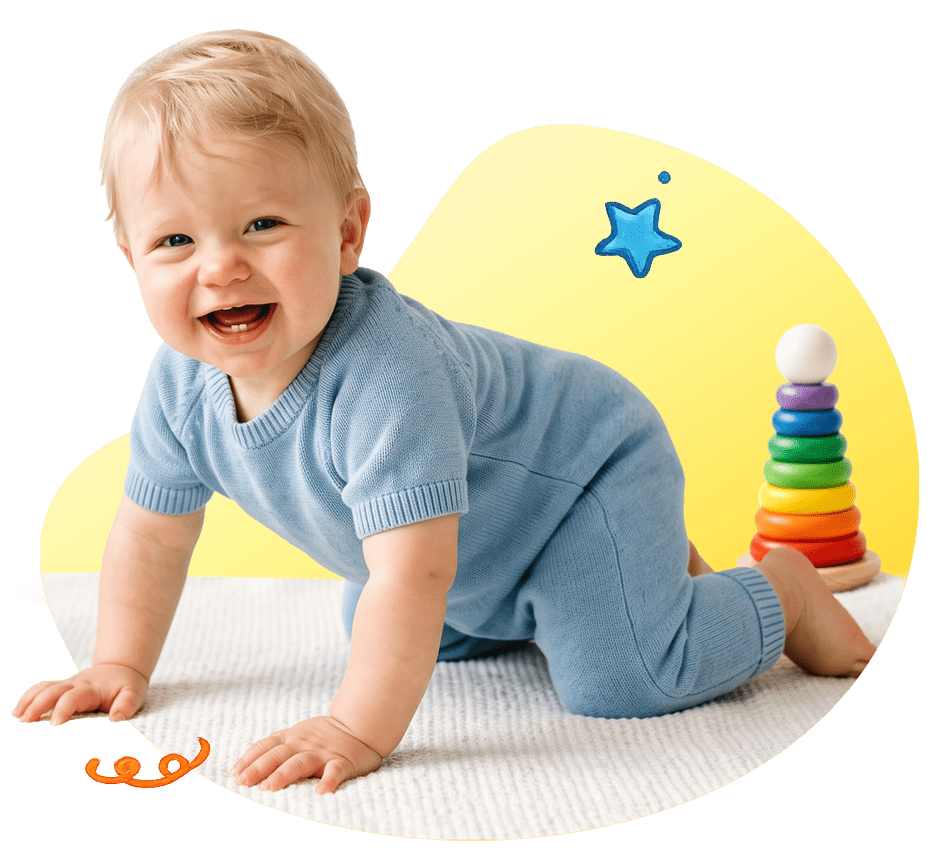
The infant stage is full of little “wait, when did you learn that?” moments. Your baby is no longer just a sleepy newborn. They are becoming curious, expressive, wiggly, loud, funny, and determined. They may reach for your face, study your voice, kick with excitement, cry when you leave the room, or suddenly decide that the spoon is more interesting than the food.
You may quietly wonder if you are doing enough tummy time, enough sleep, enough solids, enough play, enough routine, and enough patience. Take a breath. This stage is not about getting everything perfect. It is about learning your baby as they grow. Infant care means supporting your baby’s development while also giving yourself room to adjust, because your baby is changing quickly, and so are your days.
Discovering the World
Every baby grows at their own pace, but tracking your infant monthly can help you understand what may be coming next. Milestones are not a test. They are little signs of growth. Some babies roll early, some sit later, some babble constantly, and some focus all their energy on movement. Your baby does not need to match another baby’s timeline to be doing beautifully.
3–6 Months
Around this stage, your baby may begin rolling, pushing up during tummy time, reaching for toys, bringing hands to mouth, and becoming more aware of your face and voice. This is also a big season for infant brain development, because every song, cuddle, smile, gentle conversation, and silly little game helps your baby make connections.
6–9 Months
Once your baby begins sitting with more control, the world opens up. Their hands are free, their view changes, and they may become more interested in toys, food, faces, and sounds. This can also be the stage where parents feel like the house suddenly needs a safety inspection.
9–12 Months
Some babies crawl, some scoot, some roll everywhere, some pull to stand, and some cruise along furniture. Some babies skip certain movements altogether. Once mobility begins, your baby’s curiosity can outrun your coffee.
Now is the time to childproof more seriously. Cover outlets, secure furniture, move breakables, lock cabinets, and check floors for tiny objects. Your baby is not getting into everything to be difficult.


Nutritional Transitions
Food can feel exciting, messy, and weirdly emotional. One day your baby is only drinking milk, and then suddenly you are wondering if avocado counts as dinner and why banana is in their hair. This stage is about practice, not perfection.
Introducing Infant Solid Food
Most babies begin infant solid food around 6 months, when they show signs of readiness. These signs may include sitting with support, showing interest in food, bringing objects to their mouth, and having better head control.
Start slowly with soft textures, single ingredients, and calm mealtimes. Your baby may love something one day and reject it the next, and that is normal. Milk still remains an important source of nutrition during the first year, so solids are a learning journey, not a sudden replacement.
Baby-Led Weaning
Some parents choose purees, some choose baby-led weaning, and some do a mix of both.
The goal is not to follow a trend. The goal is to feed your baby in a way that feels safe, informed, and manageable for your family. Mess is part of learning. Spitting food out is part of learning. Squishing peas is also, somehow, part of learning.
Allergen Introduction
Many families feel nervous about allergens, and that is understandable. Foods like peanut, egg, dairy, wheat, soy, fish, and sesame may be introduced once your baby is safely eating solids, but speak with your healthcare provider first, especially if your baby has eczema, allergies, or other risk factors.
You do not need to rush this stage. You need a safe plan that helps you feel informed and steady.
Hydration Habits
Around 6 months, small sips of water with meals can help your baby practice using an open cup or straw cup. It may be messy at first, and probably very messy. That is okay.
They are learning coordination, swallowing, grip, and independence one tiny sip at a time.
Sleep & Routine Syncing
Infant sleep can humble anyone. Just when you think you have a rhythm, your baby grows, teeth shift, naps change, separation anxiety appears, or bedtime suddenly becomes dramatic. This does not mean you ruined the routine. It means your baby is developing.
The Two-Nap Rhythm
Around 6 to 8 months, many babies move toward a two-nap routine, usually one nap in the morning and one in the afternoon. This can make days feel more predictable, but not always perfect.
Some days naps are short, some days your baby fights sleep, and some days the car ride saves everyone. A routine is a guide, not a law.
Infant Sleep Regression
If your baby suddenly wakes more, fights naps, cries at bedtime, or seems harder to settle, you may be dealing with infant sleep regression. Sleep regressions can happen during big developmental changes, teething, illness, travel, or separation anxiety.
They can feel frustrating, especially when you are tired and thought things were improving. Try to keep bedtime consistent, offer comfort, watch wake windows, keep the sleep space safe, and remind yourself this phase is usually temporary.

Playing, Learning & Connecting
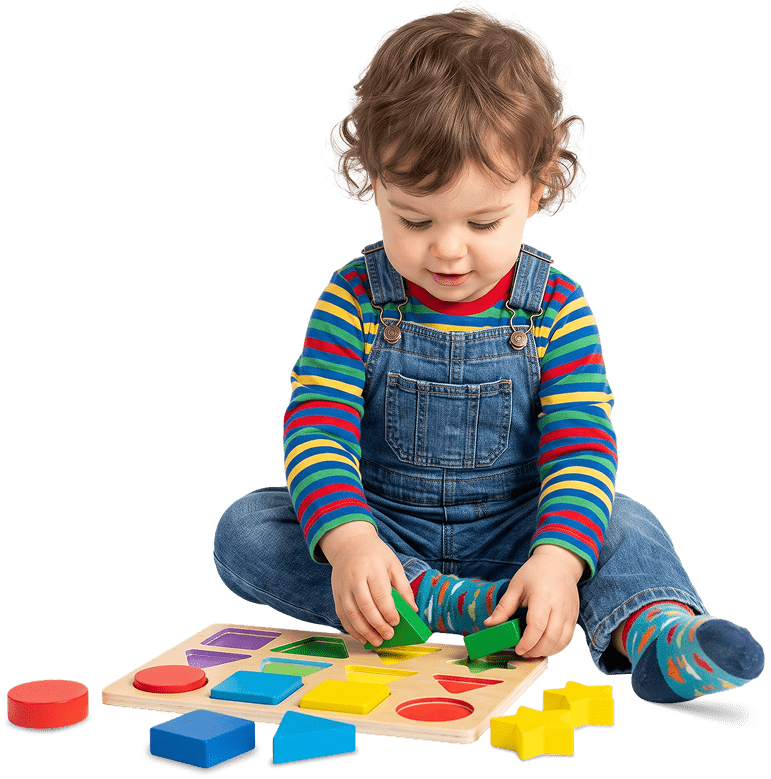
You do not need to entertain your baby every second. Infants learn through simple moments like reaching, touching, listening, looking, babbling, tasting, moving, and repeating. Play is not just play. It supports infant brain development, communication, coordination, and bonding.
Simple Infant Play Ideas
Soft books, rattles, textured toys, peekaboo, singing, mirror play, tummy time, stacking cups, and safe household items like wooden spoons or fabric squares can all support playful learning. Your baby does not need a full activity schedule. They need safe chances to explore.
Art and Craft Activities for Infants
Yes, infant art and craft activities can exist, but they should stay simple and safe. Think handprint keepsakes, edible paint for sensory play, crinkly paper exploration, water play, or texture baskets.
This is not about creating a perfect craft. It is about letting your baby feel, notice, touch, and explore with your supervision. And if the activity lasts three minutes before someone needs a diaper change, that still counts.
Growing Together
Every infant develops on their own timeline. Some babies babble early, some crawl early, some love solids, some need more time, some sleep longer stretches, and some keep everyone guessing. Try not to turn your baby’s growth into a comparison chart. Your baby is not behind just because another baby did something first. Your baby is growing quickly, but so are you. One nap, one meal, one milestone, one cuddle, and one deep breath at a time.Infant Essentials Checklist
The everyday basics that help the first weeks at home feel a little calmer and more prepared.
Diapers & Wipes
Feeding Supplies
Bibs & Burp Cloths
Age-Appropriate Toys
Teething Supplies
Sleep Sacks or Wearable Blankets
Baby Care Items
Bathing Supplies
Babyproofing Basics
Stroller or Carrier Support Items
Feeding and Solids Support
Feeding changes a lot during the first year. Here’s what many families navigate along the way.
Feeding Changes in the First Year
As your baby grows, how often and how much they feed may shift. Following their cues helps you adjust together.
Bottle or Breastfeeding Transitions
Some families move between breast, bottle, or both. There’s no single right path, just the one that works for you.
Introducing Solids When Ready
Babies show readiness in their own time. Starting slowly and staying patient can make new foods feel fun.
Helpful Feeding Supplies
Bibs, soft spoons, baby-safe bowls, and a high chair make mealtimes easier to manage.
Cleaning & Organization
A simple routine for washing bottles and storing supplies saves time on busy days.
Check In With Your Provider
Speak with your healthcare provider before making major feeding changes.
Always speak with your healthcare provider before introducing solids if you have questions about readiness, allergies, feeding concerns, or your baby’s health.
Movement, Play, and Development
Simple, everyday ways to encourage curiosity, connection, and movement at your baby’s pace.
Tummy Time
Short, supervised sessions on the tummy help build strength for new movements.
Reaching & Rolling
Place toys just within reach to invite stretching, grasping, and rolling.
Sitting & Crawling
Give plenty of safe floor time to explore, wobble, and try again.
Sensory Play
Soft textures, gentle sounds, and bright colours spark curiosity.
Reading & Songs
Books, rhymes, and songs support bonding and early language.
Safe Play Spaces
A clear, babyproofed area lets your little one explore freely.
Following Baby’s Pace
Every baby builds skills in their own time. Celebrate each small step.
Every baby develops at their own pace. Speak with your healthcare provider if you have concerns about your baby’s development.
Parent Support During the Infant Stage
The first year brings new routines almost every month. It’s normal to feel stretched at times. Small supports can make a big difference for you and your family.
Postpartum Recovery
Give your body time to heal and follow the guidance of your care provider.
Sleep Disruption
Rest when you can and let go of what can wait for another day.
Emotional Adjustment
Ups and downs are common as your family finds its new rhythm.
Feeding Support
Lactation consultants, nurses, and midwives are there to help.
Asking for Help
Friends and family often want to help. Let them know how.
Sharing Responsibilities
Split night feeds, chores, and errands where possible.
Enter Our Monthly Baby Essentials Giveaway
Monthly baby essentials giveaway for a chance to win products, discover must-have baby essentials, unlock exclusive offers, and register today for your Canadian family !!
Support That Fits
Family Life
Helping You Feel More Prepared
Parenting can feel overwhelming when every answer sounds different. Discover baby freebies, trusted products, coupons, giveaways, and resources designed for families.
Explore articles on pregnancy, baby care, milestones, products, routines, and everyday family life, with practical tips for every stage.
- Baby Freebies : Every little thing matters, freebies, rewards & samples that make everyday family needs a little easier.
- Parenting Resources: Parenting brings love, worry, and questions. Find gentle resources and advice to help you feel less alone now.
- Trusted Partners: Meet caring brands with helpful products, services, and offers made for family-friendly deals.
- Daily Support: Baby freebies, parenting resources, trusted products, savings, giveaways, and practical help for everyday parenting.
Frequently Asked
Questions
Trusted parenting insights, product recommendations, and family advice all in one place.
When do babies usually start rolling, sitting, or crawling?
When should I start introducing solids?
What infant essentials should I keep stocked at home?
Can I enter baby giveaways during the infant stage?
When should I speak with a healthcare provider?
Built Around Parenthood

First Trimester Checklist

Canadian Baby Registry

Healthy Pregnancy Signs
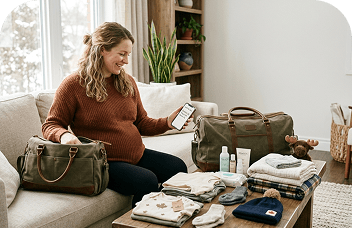
Hospital Bag Checklist Canada
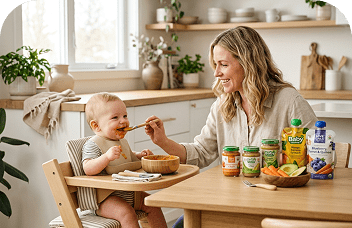
Best Baby Foods Canada 2026
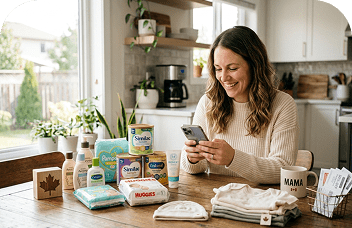
Baby Freebies and Coupons Canada
The MyBellaBaby Family
A growing community of parents, caregivers, and families connected through helpful offers, resources, and giveaway opportunities.